
Legal Advice Basics: Essential Law Knowledge for Every Beginner
Understanding the basics of law should not feel scary or confusing. That’s why our mission at Legal Advice Basics is simple: to give you clear, easy information that helps you handle everyday legal situations with confidence. Our goal is to educate and guide people so they can recognize their rights, make better decisions, and stay prepared when problems appear. Whether it’s a small issue or a big challenge, we’re here to help you learn the essentials and protect yourself without any stress.
Understand Legal Issues
Get clear, simple explanations of everyday legal matters so you can recognize risks early. Our goal is to help you understand the basics of your situation before taking any step — no legal background required.
Find the Right Direction
Learn what your options might be and what actions usually make sense in similar cases. With easy guides, examples, and practical insights, you’ll know whether your issue needs self-help, negotiation, or professional legal support.
Protect Yourself
Use reliable information to prepare, stay aware, and make smarter decisions. When you understand your rights, your risks, and the common remedies, you can protect yourself long before things get complicated.
What Is Legal Advice?
Legal advice is guidance that helps you understand your rights and what steps you should take in a legal situation. It gives you direction, helps you avoid mistakes, and tells you when you may need legal representation or more legal help from a legal lawyer.
Understanding Legal Advice Basics in Clear and Simple Terms

Legal advice is specific guidance from a trained lawyer about what you should do in your exact situation. This kind of law advice can protect your rights and keep you from taking steps that might harm your case. To fully grasp why legal guidance works the way it does, it’s important to understand the basic principles of law that shape how rights, duties, and legal decisions are applied in real-life situations.
How Legal Advice Differs from Legal Information
Legal information is general. It explains rules, laws, and processes, but it does not tell you what to do personally. Legal advice, however, gives you a clear action plan. For example, reading online about court rules is information, but asking a lawyer what you should file in your case is independent legal advice.
Common Sources of Legal Information
People often get legal help by reading guides, visiting government websites, checking legal blogs, or using public resources. These places offer helpful facts but not personal direction. Government portals and educational sites provide general information. Trusted public resources like official U.S. government legal guides and Cornell Law School’s Legal Information Institute offer reliable legal information, but not personalized advice. To know what applies to your case, you may still need independent legal advice.
Attorney–Client Privilege: Your Right to Confidentiality
When you speak with a legal lawyer for law advice, your private information is protected by attorney–client privilege. This means the lawyer cannot share your details with anyone. This protection helps you speak honestly so you can get the best legal representation and legal help possible.
Common Types of Legal Advice
People need legal advice for many different reasons. Some legal problems can be avoided before they even start. That is where preventive legal advice basics help. It protects you, your money, and your rights by keeping you prepared.
1. Preventive Legal Advice
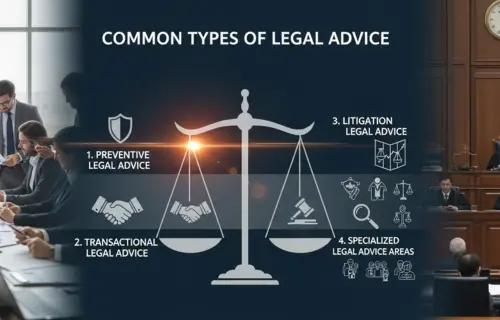
Preventive legal advice helps you stay out of trouble by solving legal issues before they become serious. It gives you the knowledge, rules, and steps you need to avoid risk and stay compliant with the law.
Contract Review & Drafting
Contract disputes are common and expensive. Learning about contract-related legal risks and costs helps you understand why early review matters. Lawyers check contracts to make sure they are fair, clear, and follow the law. Good review prevents misunderstandings and protects you from future disputes. This is a key part of getting independent legal advice.
Compliance & Regulatory Guidance
Businesses and individuals must follow many laws. Lawyers give legal help to make sure you meet all rules so you do not face fines, penalties, or lawsuits.
Employment Policies & Workplace Rules
A legal lawyer can help create or review workplace policies, hiring practices, and employee handbooks. This protects both employers and workers from legal problems.
Intellectual Property Protection
If you create something—like a logo, design, or product—legal representation helps you protect it through trademarks, copyrights, or patents. This keeps others from copying your work.
Risk Management & Liability Prevention
Lawyers help you spot risks before they cause trouble. With the right law advice, you can prevent accidents, disputes, or claims that may cost you time and money.
Tax Planning & Documentation
Good tax planning keeps you compliant and helps you avoid IRS issues. Lawyers review documents, guide you on reporting, and ensure your filings follow tax laws.
Data Protection & Privacy Compliance
A lawyer helps you follow privacy laws, protect customer information, and avoid problems with data breaches. This is especially important for online businesses.
Property & Real Estate Due Diligence
Before buying or selling property, independent legal advice helps you check titles, zoning rules, and ownership history. This protects you from scams or hidden legal issues.
Consult an Expert
“When in doubt, seek qualified guidance; expert advice saves time, money, and trouble.”
2. Transactional Legal Advice
Transactional legal advice basics help people and businesses handle important deals, agreements, and financial decisions. It focuses on preventing legal problems before they happen. In many cases, people consult a lawyer when they want to make safe choices in money, business, or property matters.
Business Deals & Agreement Negotiation
This type of advice helps you review and negotiate business deals so you stay protected. Many people talk to a lawyer before signing agreements to avoid legal risks.
Mergers & Acquisitions (M&A) Support
Lawyers help companies buy or merge with other businesses. This type of support is often treated as business legal advice, making sure every step follows the law.
Commercial Contracts Formation
Lawyers prepare and check commercial contracts to make sure the terms are fair and enforceable. People often ask an attorney before signing any major contract.
Investment & Shareholder Agreements
Legal experts guide investors and shareholders by ensuring investment terms are safe and clearly written. Many use local legal services when dealing with investment disputes.
Real Estate Transactions & Transfers
A lawyer can help with buying, selling, or transferring property. This includes checking titles and documents so there are no hidden problems.
Partnership Formation & Structuring
When starting a partnership, legal advice helps set clear rules between partners. This prevents future conflicts and protects everyone involved.
Licensing & Franchise Agreements
Businesses often need licenses or franchise contracts. Legal help makes sure the agreement follows rules and protects your rights as a business owner.
Corporate Governance & Documentation
Companies need the right documents to operate legally. Lawyers help prepare policies, meeting records, and compliance forms so the company stays on the right track.
Get Agreements in Writing
“If it’s not written down, it’s nearly impossible to prove—protect yourself with clear documentation.”
3. Litigation Legal Advice
Litigation advice helps people handle court cases, legal disputes, and conflicts. For serious matters, people often reach out to criminal defense lawyers, a civil rights attorney, or other specialists depending on the issue.
Case Assessment & Legal Strategy Planning
A lawyer reviews your situation and builds a clear plan for what to do next.
Court Filing & Procedural Guidance
This includes preparing documents the right way and filing them on time so your case stays valid.
Dispute Resolution & Negotiation
Many legal disputes settle outside court. Lawyers help negotiate fair outcomes so you avoid long court battles.
Representation in Civil & Criminal Matters
Whether it’s a family dispute or a criminal charge, having a legal expert gives you stronger legal representation in court. Understanding the defendant’s role during court proceedings helps people see why proper legal defence and procedural support are critical in both civil and criminal cases.
Evidence Collection & Case Preparation
Lawyers gather records, statements, and proof to support your case and protect your rights.
Appeals & Post-Judgement Motions
If you lose a case, lawyers help file appeals or request changes to the court’s decision.
Settlement Discussions & Mediation Support
Lawyers help you reach a peaceful agreement through mediation, often saving time and stress.
Enforcement of Legal Rights & Orders
If someone refuses to follow a court order, legal help makes sure your rights are enforced properly.
Never Sign an Agreement Without Backup
“Review every contract carefully or get expert eyes on it before you commit.”
4. Specialized Legal Advice Areas
Specialized legal advice covers focused areas of law. People often consult a lawyer from the exact field they need — whether it’s family issues, job problems, or immigration concerns.
Family Law (Marriage, Divorce, Inheritance)
Family matters may require separation legal advice or child support legal advice, often offered by centres like the American Family Law Center.
Criminal Law Consultation
If someone faces charges, they rely on criminal defense lawyers to protect their rights and guide them through the process.
Employment & Labor Law
Workplace issues such as unfair treatment or unpaid wages fall under employment law and labor law. Many people reach out to a labor law attorney for help.
Corporate & Business Law
Businesses get help writing contracts, protecting assets, and staying compliant with regulations.
Immigration & Visa Matters
Lawyers assist with visas, green cards, and citizenship issues to ensure paperwork is done correctly and on time.
Intellectual Property Rights
This protects logos, inventions, creative work, and trademarks so others cannot copy them.
Tax Law & Financial Regulations
Tax lawyers guide people through audits, filings, and complex financial rules.
Cyber Law & Data Security Compliance
Cyber issues like hacking, online fraud, and digital privacy often require a cyber crime lawyer for proper guidance.
When Should You Seek Legal Advice?
Legal issues often start small but can quickly grow into serious problems if ignored. Knowing the right time to seek professional guidance helps you protect your rights, avoid costly mistakes, and make informed decisions. Whether it’s a contract, dispute, or personal matter, understanding when to reach out for help is one of the most important skills any individual can develop.
When Legal Advice Becomes Crucial for Your Protection

Legal advice basics become essential the moment your rights, money, property, or future are at stake. If a situation involves agreements, obligations, or potential disputes, consulting a professional ensures you don’t expose yourself to unnecessary risk. Sometimes even a quick session of lawyer advice can prevent long-term complications. So If your rights, finances, or property are at stake, professional guidance is essential, understanding basic legal warning signs can prevent long-term damage.
Clear Warning Signs You Should Consult a Lawyer
If you receive legal notices, face threats of a lawsuit, are asked to sign unfamiliar paperwork, or feel pressured into an agreement you don’t fully understand, these are strong indicators that you need to consult a lawyer immediately. Any uncertainty about legal obligations or responsibilities is a direct signal to seek help before making a mistake.
The Risks and Consequences of Delaying Legal Help
Delaying professional guidance often leads to missed deadlines, weakened cases, and avoidable financial losses. Many people wait until a problem becomes overwhelming, but by then, options are limited and outcomes worsen. Getting lawyer advice early typically costs less and offers far better protection.
Proactive vs. Reactive Legal Approaches: What Works Best?
Being proactive—getting legal help before signing, agreeing, or responding—allows you to prevent disputes rather than fight them later. Reactive legal approaches may still help, but they usually involve more stress, higher costs, and fewer solutions. A proactive mindset is the safest and smartest path.
Risk of Relying on Non-Lawyers for Legal Decisions
Relying on friends, family, or online forums for legal guidance is extremely risky. Non-lawyers often misunderstand laws, overlook important details, or give advice that does not apply to your situation. Only a qualified professional can analyze your case, interpret the law correctly, and offer reliable solutions.
Critical Legal Moments Requiring Expert Help (Contracts, Estates, Bankruptcy)
Certain situations demand immediate expert involvement—such as signing contracts, handling estate matters, dealing with bankruptcy, or facing a court dispute. These areas involve complex rules where one error can lead to major financial or personal consequences. Professional consultation is not optional here; it’s essential.
Don’t Admit Blame or Point a Finger
“Stay calm and factual; early statements can be used against you later.”
Who Can Provide Legal Advice?
In the United States, only specific professionals and verified services are legally allowed to provide legal advice. Choosing the right source protects your rights, prevents costly mistakes, and ensures you get accurate information tailored to your situation.
Licensed Attorneys
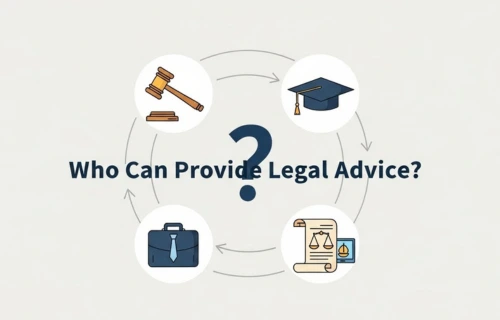
Licensed attorneys are the primary and most reliable source of legal advice. They are trained, certified, and authorized to interpret the law, offer personalized guidance, and represent you if needed. Their professional responsibility ensures that the advice you receive is accurate and legally valid. Understanding what attorneys are legally allowed to do helps you choose the right expert.
Legal Aid Clinics and Pro Bono Services
For individuals who cannot afford a private attorney, legal aid clinics and pro bono programs offer free or low-cost legal assistance. These services are staffed by licensed lawyers who handle civil matters such as housing issues, domestic disputes, employment concerns, and more.
Trusted Online Legal Advice Platforms
Several reputable online platforms provide initial guidance by connecting users with qualified legal professionals. Some platforms also feature community-based lawyer forums, where attorneys publicly answer general legal questions. However, for personalized or urgent issues, direct consultation with a licensed attorney is strongly recommended.
Paralegal Assistance and Its Legal Boundaries
Paralegals can help with research, document preparation, and case organization—but they cannot give legal advice. Their role is strictly supportive, working under an attorney’s supervision. If a paralegal attempts to provide independent legal guidance, it falls outside their professional and legal scope.
How to Prepare for a Legal Consultation?
Before meeting with an attorney, preparing your information, documents, and legal questions helps you get the most out of your session. A well-organized consultation saves time, reduces confusion, and ensures the lawyer clearly understands your situation.
Note the Key Facts of Your Case

Start by writing down the important details of your case—dates, events, names, and anything that may affect the legal issue. When you know how to talk to a lawyer clearly and confidently, you make it easier for them to understand the full picture and provide accurate guidance.
Gather All Relevant Legal Documents
Collect any documents connected to your case, such as contracts, emails, letters, notices, reports, receipts, or court papers. Providing complete information helps the attorney evaluate your situation properly and prevents delays in receiving advice.
Prepare a Clear List of Questions
Before your consultation, create a simple list of your most important legal questions. This ensures you don’t forget anything important during the meeting. If you’re unsure where to start, you can explore free legal advice online to get a basic idea—then bring the crucial questions to your attorney for personalized guidance.
Define Your Goals and Budget Honestly
Think about what outcome you want and what you can realistically afford. Whether you’re seeking a quick settlement, long-term representation, or just clarification, being honest about your goals and budget helps the lawyer offer solutions tailored to your needs.
Prepare for the Unexpected
“Always have a backup plan—legal issues hit hardest when you’re not ready.”
How to Get Reliable Legal Advice or Find the Right Lawyer?
Finding trustworthy guidance is important when you’re dealing with legal issues. Whether you need legal assistance, want to find a lawyer, or simply have urgent legal questions, using verified and reliable sources helps you avoid bad advice and costly mistakes.
Verify Lawyer Credentials and Professional Standing
Always check a lawyer’s license status, experience, and disciplinary history before hiring them. This helps you find a lawyer who is qualified and reputable. Most states have online tools where you can look up attorney records and confirm you’re choosing someone trustworthy.
Use Local Bar Associations and Trusted Legal Directories
Local bar associations are one of the safest places to start when you need legal assistance. They offer referral services and maintain attorney listings you can trust. Well-known legal directories also allow you to search by practice area, read reviews, and compare qualifications.
Explore Free and Low-Cost Legal Support Options
If you’re on a tight budget, you can talk to a lawyer for free through legal aid clinics, community programs, or student-run university legal centres. Many attorneys also offer a free attorney consultation, which can help you understand your rights and possible next steps without financial pressure.
Leverage Online and Virtual Legal Consultations
Many online legal services now allow you to meet with licensed attorneys through video calls, phone calls, or chat sessions. These platforms make it easier to ask legal questions, get quick help, and schedule consultations from home—especially useful for urgent issues.
Prepare Effectively for Your Legal Consultation
Before meeting a lawyer online or in person, organize your documents and think about your main goals. Clear preparation helps you use the consultation time smartly and ensures your lawyer understands your situation fully.
Ask Essential Questions During the Initial Meeting
During the first meeting, ask about fees, timelines, possible outcomes, and the lawyer’s experience with cases like yours. Many sites also offer a legal FAQ section that can help you understand what to expect before speaking with a professional. Asking strong questions early helps you decide whether the attorney is the right fit for your legal needs.
Legal Advice Pricing and Fee Guide
Understanding how legal fees work helps you make smart choices and avoid surprises. Whether you’re looking for a free legal consultation or exploring long-term representation, knowing the basics of pricing makes it easier to choose the right attorney and find truly affordable legal services.
Free Legal Resources vs. Premium Attorney Services
Some situations can be handled using community programs, online tools, or a free legal consultation, which provide basic guidance at no cost. But for complex matters—like lawsuits, major contracts, or criminal charges—premium attorney services offer deeper expertise and stronger protection. Knowing when each option fits your needs helps you stay within budget.
Common Fee Structures: Hourly, Flat-Rate, and Contingency
Lawyers may charge by the hour, offer flat-rate pricing for simple tasks, or take cases on a contingency basis (where they get paid only if you win). These fee structures make legal help flexible and easier to access, especially when you’re comparing affordable legal services across different firms. Learning what lawsuits really cost, prepares you financially before taking action.
Cost Drivers That Increase or Reduce Legal Fees
Several factors affect your total legal cost, such as case complexity, attorney experience, required court filings, and the time involved. Preparing documents early and staying organized can help reduce expenses. Choosing the right fee structure also ensures you don’t overspend.
Affordable Legal Support for Low-Income Clients
Low-income individuals can access affordable legal services through legal aid clinics, nonprofit organizations, law school programs, and sliding-scale attorneys. Many offer a free legal consultation to help you understand your rights before committing to any fees, making legal protection accessible to everyone.
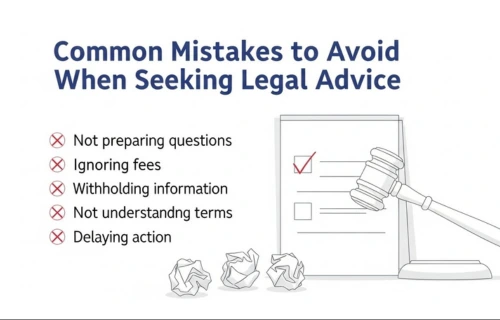
Common Mistakes to Avoid When Seeking Legal Advice
When you’re looking for legal help, even small mistakes can lead to big problems later. Avoiding these common errors ensures you get clear, reliable guidance from the right professional. Many people skip early support, even when a free consultation from a lawyer is available—don’t make that mistake.
Relying on Unqualified or Unverified Legal Sources
Getting advice from untrained people, random forums, or unreliable websites can mislead you and even harm your case. Always confirm that your source is knowledgeable, experienced, and legally authorized to give advice.
Delaying Professional Guidance on Important Issues
Waiting too long to talk to a lawyer can weaken your case, limit your options, or cause you to miss important legal deadlines. Early guidance helps you stay protected and avoid unnecessary damage.
Misunderstanding Legal Costs, Fees, and Payment Terms
Many clients agree to legal help without fully understanding how fees work. Always ask about cost structures, additional charges, and payment timelines so you know exactly what to expect before moving forward.
Providing Incomplete or Inaccurate Case Information
If you leave out key details—or unintentionally share incorrect information—it can stop your lawyer from building a strong strategy. Be honest, complete, and organized when sharing facts about your situation.
Ignoring Confidentiality Rules and Privacy Protections
Your communications with an attorney are protected, but only when handled correctly. Avoid sharing sensitive details in public places, open emails, or with unauthorized individuals; this can risk your privacy and weaken your legal position.
Overlooking Conflicts of Interest in Legal Representation
A conflict of interest happens when a lawyer’s personal or professional connections could affect your case. Always confirm that your attorney has no ties to the opposing party and is fully committed to representing your best interests.
Never Leave the Scene of an Accident
“Leaving can turn a minor problem into a serious legal offence—stay put and follow the law.”
Why Proper Legal Documentation Matters?
Proper legal documentation is the backbone of any strong legal case. Clear, correct, and well-organized records help lawyers understand your situation quickly and give you accurate guidance. Good documentation can protect you, support your claims, and prevent misunderstandings during legal proceedings.
Strong Documentation Enhances Legal Advice
When your records are complete and easy to follow, a lawyer can give you more accurate and effective guidance. Solid documents help them assess your situation faster, spot potential issues, and build a strong legal strategy based on facts rather than assumptions.
Essential Components of Effective Legal Documents
Effective legal documents usually include dates, names, signatures, clear terms, supporting evidence, and any related communication. These components make your paperwork reliable, legally valid, and easy for an attorney to review.
Risks and Consequences of Poor Documentation
Missing, outdated, or incorrect documents can weaken your case, delay important decisions, or even cause you to lose legal rights. Poor documentation also makes it harder for your lawyer to defend you or negotiate on your behalf.
Best Practices for Organizing and Maintaining Legal Records
Keep your documents labeled, dated, and stored safely—preferably both digitally and in hard copy. Organize them into clear categories so they are easy to access when needed. Always update your records after major events, agreements, or communications to ensure accuracy.
Essential Legal Advice for Every Stage of Litigation
Every stage of litigation requires a different approach, and having the right guidance can help you stay prepared, confident, and legally protected. Whether you’re trying to settle early, fighting your case in court, or handling appeals, understanding what to expect can make the process much easier.
Guidance for Navigating Pre-Litigation Steps
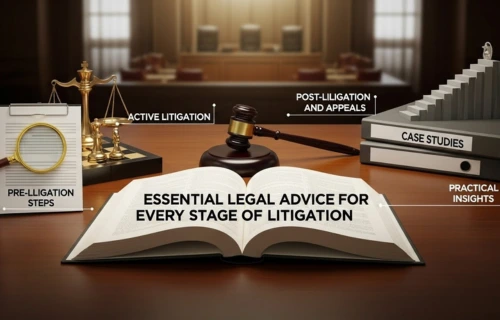
Before a case even reaches court, it’s important to understand your legal position. This stage often includes gathering evidence, reviewing contracts, sending demand letters, and assessing risks. Smart preparation helps you avoid unnecessary disputes and increases your chances of resolving the issue without going to trial.
Effective Strategies for Active Litigation
During litigation, your focus shifts to presenting strong arguments, following court procedures, and responding to the opposing party. Staying organized, communicating clearly with your attorney, and understanding the timeline of your case are key strategies for achieving a favorable outcome.
Advice for Post-Litigation and Appeals
Once the trial ends, you may still have legal steps to take. This can include enforcing a judgment, negotiating final terms, or filing an appeal if you believe the court made an error. Post-litigation stages require careful planning and patience, especially when dealing with deadlines and additional court filings.
Practical Insights from Case Studies and Real Examples
Real-world examples help explain how litigation works in practice. Case studies highlight common mistakes, smart strategies, and the value of strong evidence. They also show how different outcomes can result from the same legal principles applied in different ways.
Basic Legal Tips We Should All Follow
No matter what legal issue you face, following a few core principles can protect your rights and help you make better decisions. These basic legal tips are simple, practical, and useful for anyone navigating the legal system.
Understanding Attorney-Client Privilege and Confidentiality
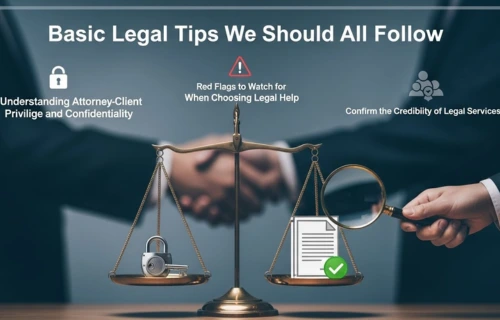
One of the most important protections you have is attorney–client privilege. This rule means that anything you share privately with your lawyer must be kept confidential. It encourages you to speak openly so your attorney can give accurate advice without risking your information being exposed.
Red Flags to Watch for When Choosing Legal Help
When searching for legal support, stay alert for warning signs such as unclear fees, no written agreement, pressure to pay upfront, or promises of guaranteed results. Reliable legal professionals communicate clearly, explain the process, and never make unrealistic claims.
Confirm the Credibility of Legal Services
Before trusting any legal service, always verify credentials. Check the lawyer’s bar license, read client reviews, and confirm their area of expertise. You can also consult your state bar association’s directory to ensure they are in good standing and legally allowed to practice.
Choosing DIY Legal Steps vs. Hiring an Attorney
Many people wonder whether they can handle a legal issue on their own or if they should hire an attorney. Understanding the difference can save time, money, and stress while helping you choose the safest path. In some situations, selfhelp steps work well, but others require trained legal expertise.
Situations You Can Manage on Your Own
Some simple matters can be handled through selfhelp tools, online forms, or basic legal guides. These include small claims disputes, minor contract reviews, uncontested name changes, or straightforward rental issues. As long as the matter is low-risk and the paperwork is easy to understand, doing it yourself can be a practical and cost-effective option.
When Professional Legal Representation Becomes Crucial
When the stakes are high—such as criminal charges, major financial disputes, child custody, immigration matters, or lawsuits—you should not depend on selfhelp alone. These situations involve complex laws and serious consequences, and professional legal representation ensures your rights are fully protected. An experienced attorney can guide strategy, prepare documents correctly, and defend your interests in ways you cannot safely do alone. Knowing when hiring a lawyer truly matters, protects you from serious legal consequences.
Employees Are Protected Under the Law
“Know your rights—labor laws shield you from unfair treatment and unsafe practices.”
Essential Overview of Independent Legal Advice (ILA)
Independent Legal Advice (ILA) is a formal process where an unbiased lawyer reviews an agreement, explains its consequences, and confirms that you understand your rights before signing. It protects individuals from being pressured, misled, or bound by legal terms they don’t fully understand—especially in high-stakes or complex transactions.
When You Must Obtain Independent Legal Advice
ILA becomes mandatory in many legal scenarios, such as signing personal guarantees, separation agreements, mortgage refinancing, joint property transactions, or when entering contracts that significantly affect your financial or legal standing. Anytime a party could later claim they signed “without understanding,” lenders, institutions, or courts often require proof of ILA.
Benefits of Getting ILA
Obtaining ILA ensures that you fully understand the legal document, the risks involved, and the long-term effects of your decision. It helps prevent costly mistakes, reduces the chance of future disputes, strengthens the enforceability of agreements, and provides peace of mind knowing an independent lawyer has reviewed everything with your best interests in mind.
How ILA Safeguards Your Rights in High-Risk Deals
High-risk transactions—such as complex financial contracts, property transfers, marital settlements, or agreements involving significant liabilities—require extra protection. ILA ensures you are not entering the deal under pressure or misinformation. A lawyer can identify unfair terms, warn you about hidden risks, and help you renegotiate clauses that may harm your rights, ultimately safeguarding your legal position and financial security.
Essential Legal Terms in Easy English
Here are some common legal terms explained in simple, easy-to-understand points:
Final Thoughts
Seeking reliable legal advice doesn’t have to be overwhelming. When you understand the basics — from choosing the right lawyer to recognizing the importance of proper documentation — you’re far better equipped to protect your rights and make informed decisions. Clear communication, early guidance, and trustworthy sources always lead to stronger outcomes.
Whether you’re handling a simple issue or navigating a complex legal matter, the key is to stay informed, stay organized, and reach out for professional support when needed. Good preparation today can prevent serious legal problems tomorrow.